Finding a welcoming, secure space for girls with autism can feel like navigating a maze blindfolded. Libraries, with their quiet corners and boundless stories, are often the first stop on this quest. But not every library is created equal—some may overwhelm, while others provide a gentle harbor. This guide walks you through the essential steps to locate a library that feels like home, ensuring safety, comfort, and a love of reading for every girl on the spectrum.
Understanding the Need
Every girl with autism has a unique set of sensory sensitivities, social preferences, and learning styles. Before you even step foot in a library, it helps to outline what “safe” looks like for your specific situation.
Sensory Considerations
- Lighting: Soft, indirect light reduces glare. Noise: Quiet zones or sound‑masking systems keep chatter from becoming a roar. Visual clutter: Minimalist displays and clear signage help focus attention. Touch: Smooth surfaces and accessible seating prevent tactile overload.
Safety Features
- Clear exits: Well‑marked emergency routes. Staff training: Employees who understand autism and can de‑escalate calmly. Quiet rooms: Dedicated spaces where a child can retreat if overstimulated. Accessibility: Ramps, elevators, and wide aisles for mobility aids.
> “A library should be a place where every child feels they belong, not just where books are stored.” – National Library Association

Researching Local Libraries
Knowing what to look for is half the battle. Use both digital and human resources to compile a shortlist of potential libraries.
Online Resources
- Library websites often list services, programs, and accessibility features. Community forums and social media groups share personal reviews. Local government portals provide information on funding and special initiatives for inclusive spaces.
Contacting Staff
- Call or email the library’s main desk. Ask about: Availability of quiet rooms or sensory‑friendly areas. Staff experience with autism. Upcoming programs for children with special needs.
> Rhetorical question: What if the library you’re considering already Genetic mutations has a “sensory corner” but you never knew? A quick conversation could unveil hidden gems.
Limited pretend playVisiting in Person
A virtual tour is informative, but nothing beats an on‑site visit. Bring a checklist to keep your observations organized.
Observation Checklist
- Lighting: Is it adjustable or natural? Noise level: Does the environment stay calm during peak hours? Staff interaction: Are staff members approachable and patient? Physical layout: Are there clear pathways and accessible seating? Special programs: Are there storytime sessions or reading groups tailored for children with autism?
During your visit, observe how the library handles a sudden noise or a crowded entrance—these moments reveal a lot about the environment’s resilience.
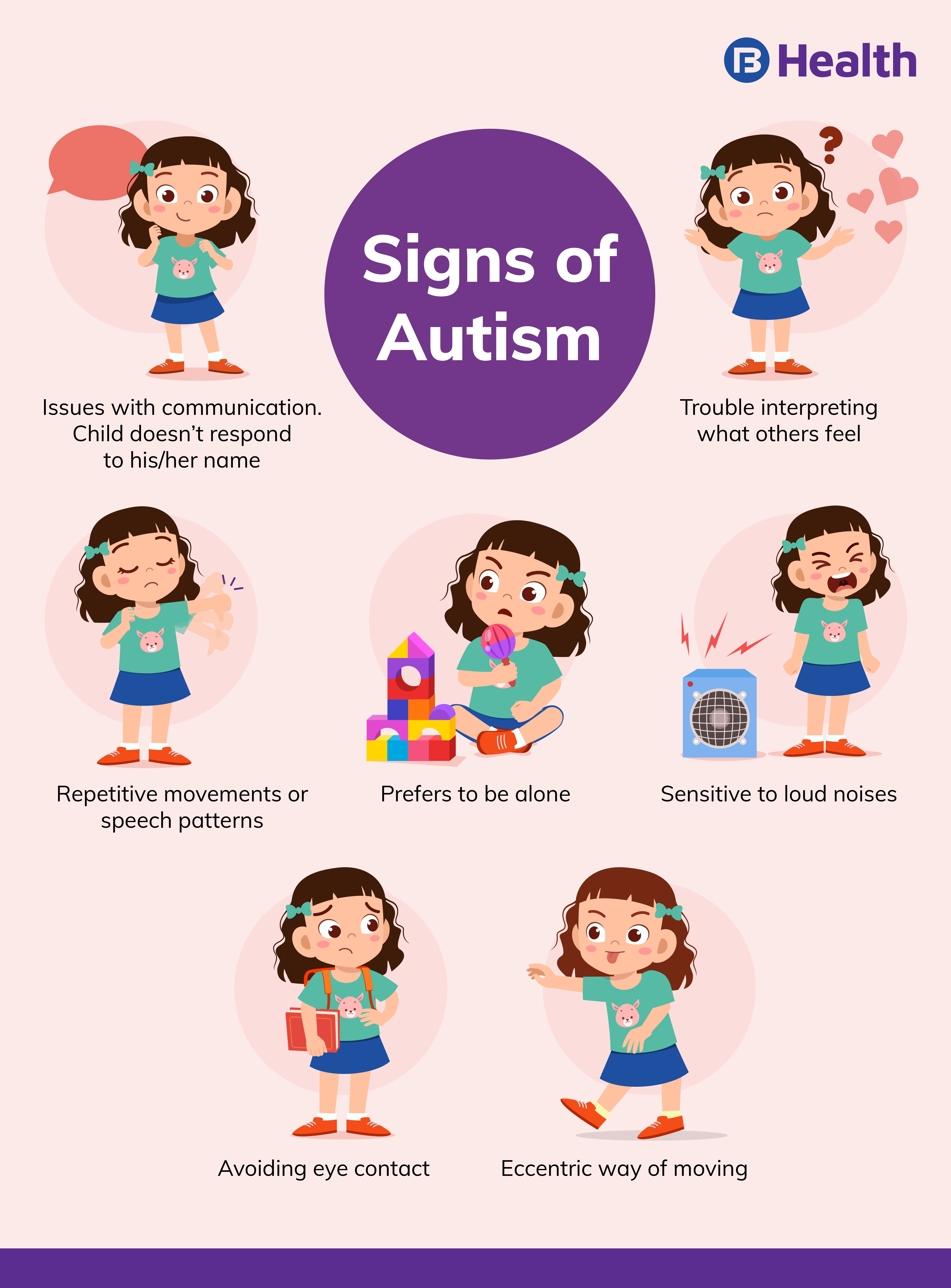
Building a Partnership
Once you’ve identified a library that meets your criteria, the next step is to establish a supportive relationship.
Advocacy and Support Groups
- Join local autism support groups; they often have library partnerships. Attend library meetings or volunteer sessions to strengthen ties. Share your child’s needs with the librarian—most are eager to help tailor experiences.
> Anecdote: Maya, a 9‑year‑old with autism, once found a quiet corner in a city library where she could read without feeling the rush of the hallway. That corner became her sanctuary, and she even started a “Quiet Reading Club” for other kids who needed a calm space.
Ongoing Communication
- Provide feedback after each visit; constructive suggestions help improve services. Celebrate successes—perhaps a new sensory‑friendly reading nook or a new collection of audiobooks.
Making Your Selection Count
Choosing a library is more than picking a building; it’s about creating a nurturing environment where a girl with autism can thrive. Think of the library as a safe harbor—steady, welcoming, and full of possibilities.
- Prioritize accessibility: A library that is easy to navigate physically and mentally is a game‑changer. Champion inclusion: Libraries that actively involve families and children in decision‑making set the bar higher. Stay engaged: Your presence and advocacy can shape policies, ensuring the library remains a supportive space for years to come.
Remember, the journey to find the right library may involve a few detours, but the destination—a place where a girl with autism can explore, learn, and feel at home—is worth every step. Take that first call, make the visit, and watch the magic unfold.