When a child’s first steps are slow, or they stare at a spinning top for hours, parents often wonder if something is off. The journey from a curious observation to a formal autism diagnosis and treatment plans can feel like navigating a maze with a blindfold on. This article will walk you through the steps, demystify the process, and offer practical tips—plus a sprinkle of humor—so you can feel confident and prepared.
Understanding Autism Diagnosis
Early Signs and Screening
Spotting early signs is like autism in toddlers catching the first glimmer of a sunrise; you notice the faintest hint of color before the sky fully lights up. Common early indicators include:
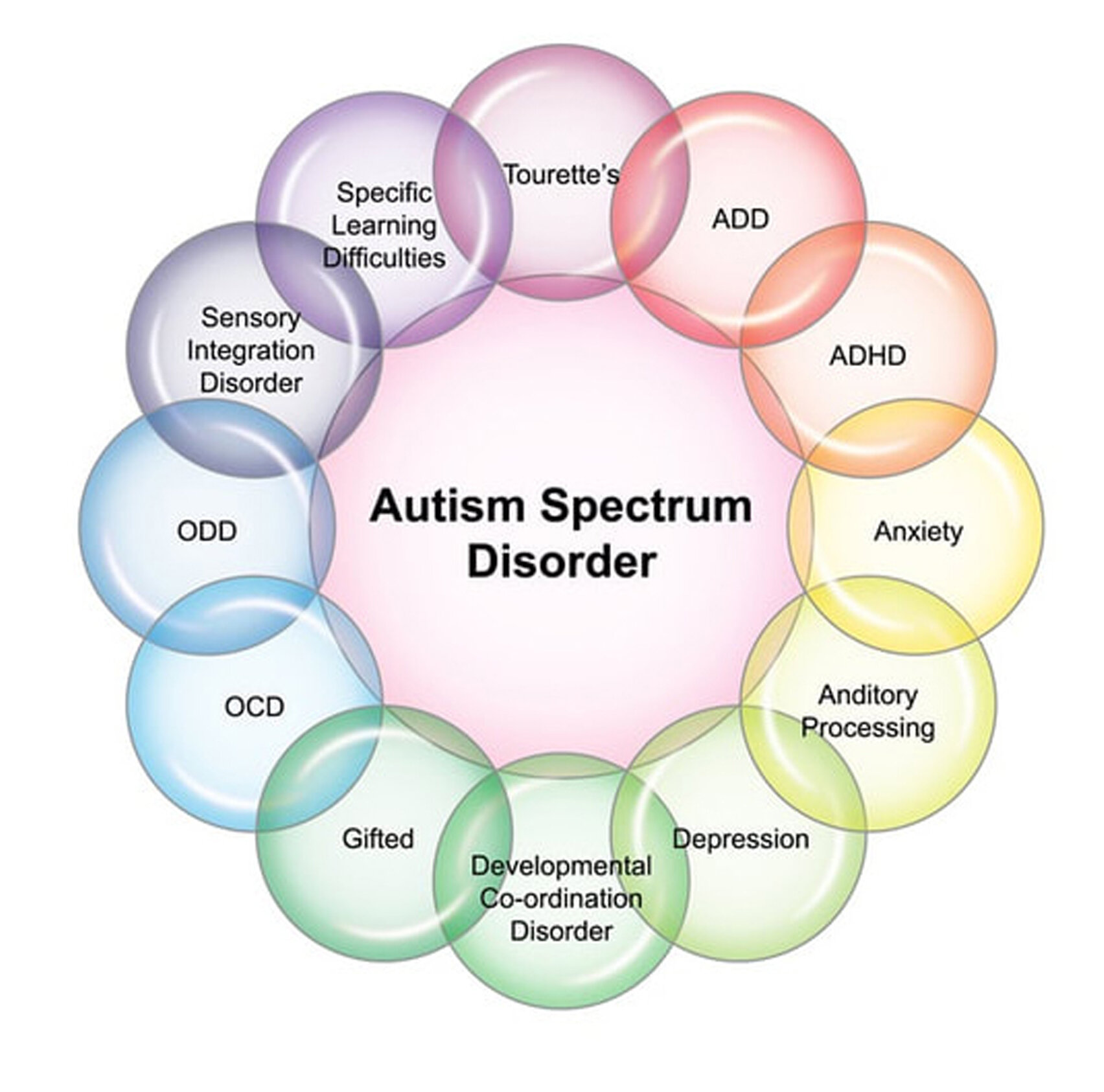
- Limited eye contact Delayed babbling or lack of vocalizations Repetitive hand movements or rocking Difficulty responding to their name
If you see any of these patterns, consider a developmental screening. Pediatricians use standardized tools like the Modified Checklist for Autism in Toddlers (M-CHAT) to flag concerns early.
The Diagnostic Process
A formal diagnosis is a multi‑step dance involving specialists. Think of it as a relay race where each runner passes the baton to the next:
Comprehensive developmental history – Parents and teachers share observations. Behavioral assessments – Clinicians observe and score behaviors. Cognitive and language testing – Measures intellectual and communication strengths. Medical evaluation – Rules out other conditions. The goal isn’t just a label; it’s a roadmap for intervention. A clear diagnosis opens doors to insurance coverage, specialized services, and tailored support.Building Treatment Plans
Individualized Therapy Approaches
Every child is a unique blend of strengths and challenges, so treatment plans must be personalized. The most common therapies include:
- Applied Behavior Analysis (ABA) – Uses positive reinforcement to shape skills. Speech and Language Therapy – Enhances communication, both verbal and non‑verbal. Occupational Therapy (OT) – Improves daily living skills and sensory integration. Social Skills Groups – Teaches interaction in a structured setting.
A well‑balanced plan often blends these modalities, adjusting intensity based on progress. Remember: flexibility is key—what works today may need tweaking tomorrow.
Integrating Family and Community
Treatments are more effective when the whole ecosystem participates. Family involvement turns therapy into a collaborative effort:
- Home practice – Short, daily activities reinforce skills learned in sessions. Parent training – Equips caregivers with strategies to support learning. School collaboration – Ensures consistency between home and classroom.
Community resources—clubs, playgroups, and local support networks—provide social opportunities and reduce isolation. As Maya Angelou once said, “We are all different, and that’s the beauty of it.” Embracing diversity in the community can transform a child's experience.
Navigating Resources and Support
Professional Services
Finding the right professionals is like assembling a dream team. Look for:
- Licensed psychologists with autism expertise Board‑certified speech therapists Occupational therapists experienced in sensory processing
Ask for referrals, read reviews, and schedule trial sessions to gauge fit. A good therapist will listen, adapt, and celebrate every small victory.
Community and Online Resources
The digital age offers a treasure trove of information—just be sure to filter out the noise:
- Autism Speaks – Offers toolkits and advocacy information. National Autism Organization (NAO) – Provides local support groups. Parenting forums – Real stories and practical tips from peers.
These platforms can help you stay informed, connect with others, and keep the momentum going.

Practical Tips for Parents and Caregivers
- Set realistic goals – Break large objectives into bite‑sized steps. Celebrate progress – Even a single word or a new gesture is a milestone. Maintain routines – Predictability reduces anxiety for many children on the spectrum. Take care of yourself – A well‑rested caregiver is a more effective advocate. Document changes – Track behaviors, interventions, and outcomes for better collaboration with professionals.
A Lighthearted Take on the Journey
Imagine the path to autism diagnosis and treatment plans as a treasure hunt. The map is full of clues—early signs, screening tools, and professional assessments. The treasure? A customized plan that unlocks your child’s potential. Along the way, you’ll meet allies (therapists, teachers, community groups) who’ll help you decipher riddles and overcome obstacles. And when you finally spot the X on the map, you’ll find not just a diagnosis, but a springboard to growth and connection.
Making Your Selection Count
Choosing the right autism diagnosis and treatment plans isn’t a one‑size‑fits‑all decision. It’s a partnership built on trust, communication, and shared goals. Keep these principles in mind:
- Ask questions – No question is too small when it comes to your child’s future. Stay involved – Your insights are invaluable; professionals need your perspective. Review and adjust – As your child evolves, so should the plan.
By staying proactive, compassionate, and open, you can turn the complex maze into a clear path toward meaningful progress. The journey may have its twists, but with the right tools and support, you and your child can navigate it together—one step, one skill, one triumph at a time.